
Dental Implant
A Dental Implant is a titanium implant surgically inserted into the jawbone to replace missing teeth. It provides a sturdy foundation for a replacement tooth (crown) or bridge, restoring natural function, appearance, and preventing bone loss over time.
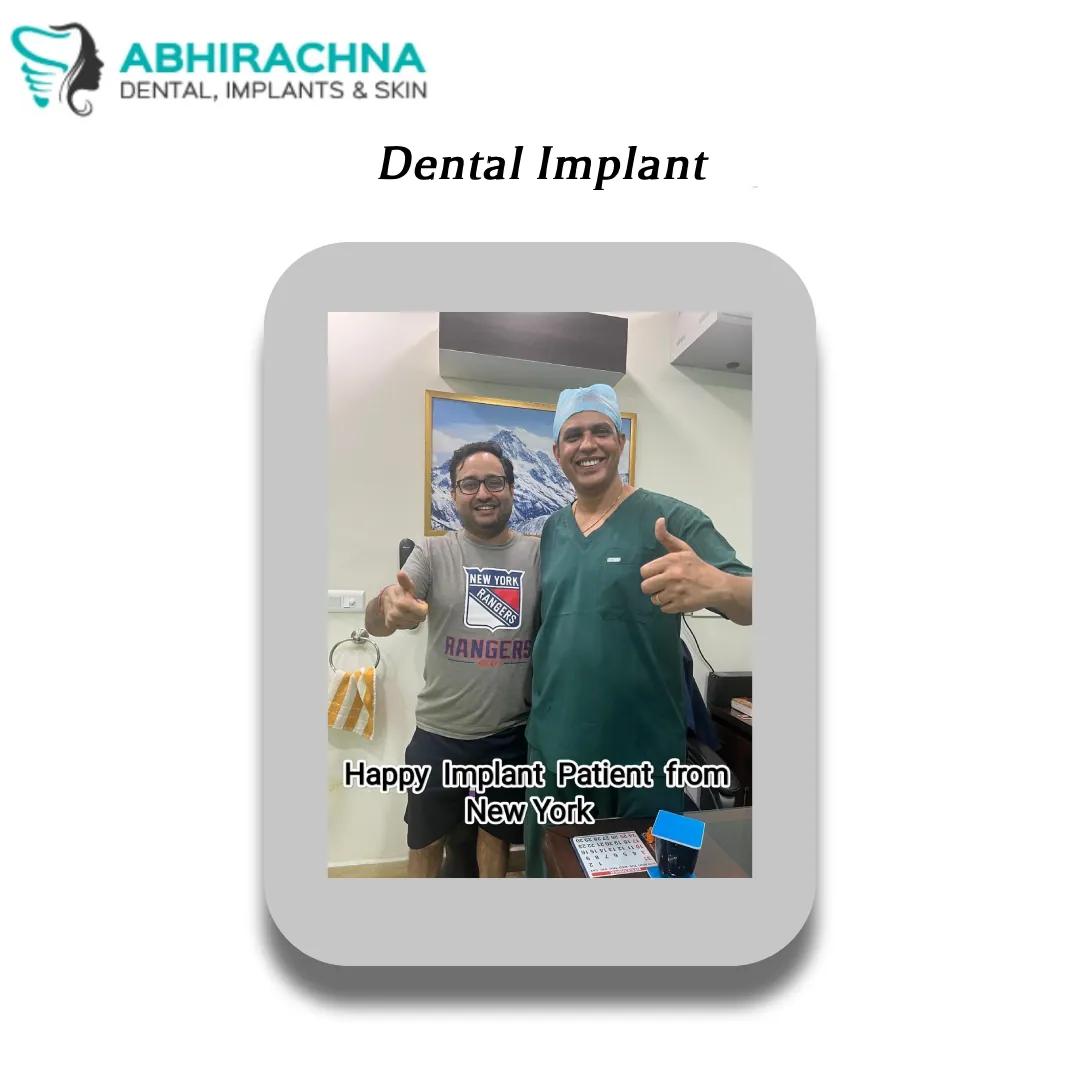
How much does a Dental Implant cost?
Answer 4 quick questions and get your customized implant cost from our implant team.
Treatments
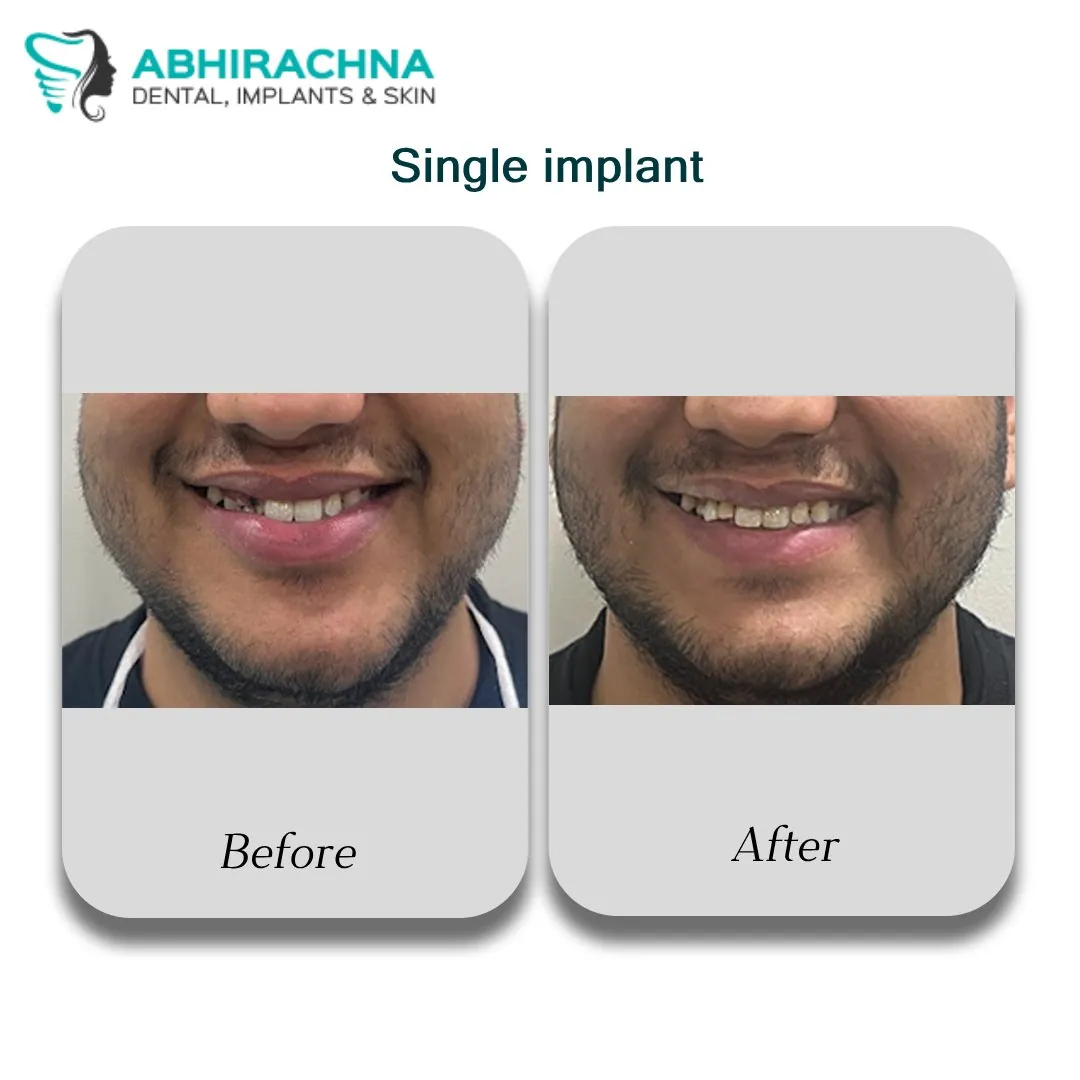
Single Tooth Implant
The Single Tooth Implant procedure involves the surgical placement of a titanium implant into the jawbone, which serves as a sturdy anchor for a replacement tooth (crown). This method not only restores the function and aesthetics of a natural tooth but also promotes oral health by preventing bone loss and preserving adjacent teeth.
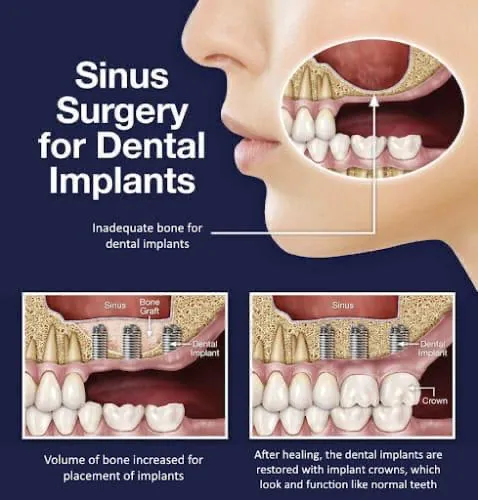
Sinus Lift
A Sinus Lift is a surgical procedure designed to add bone to the upper jaw in the area of the molars and premolars. It is typically performed when there is insufficient bone height in the upper jaw or the sinuses are too close to the jaw for a dental implant to be placed. During the procedure, the sinus membrane is carefully lifted, and bone graft material is added to ensure a stable foundation for future dental implants. This procedure enhances the success rate of implants in the upper jaw, especially in cases of bone loss.
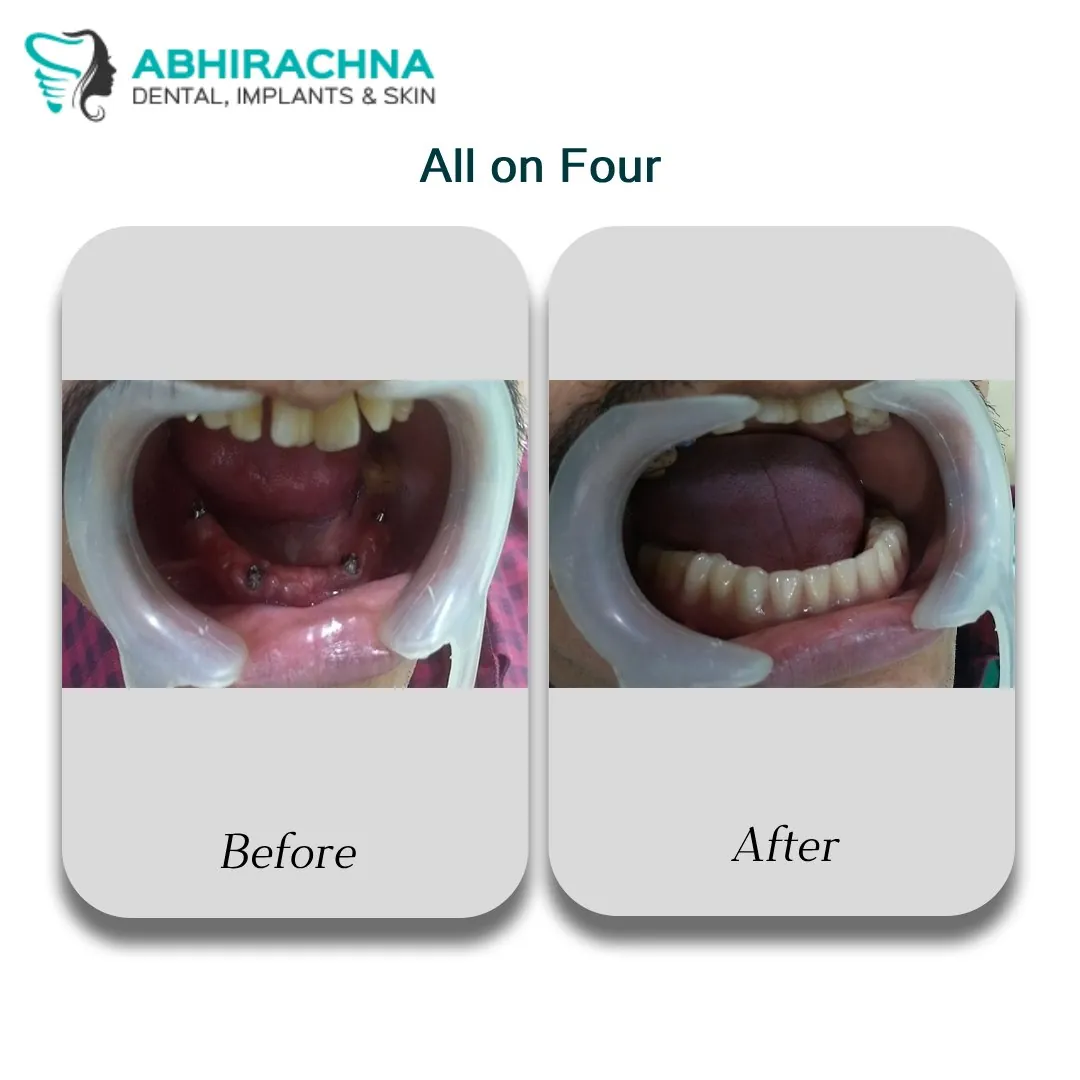
All on X/Full Mouth Implants
All on X/Full Mouth Implants offer a complete dental restoration by placing several implants to support an entire arch of teeth. This procedure provides stability, comfort, and a natural-looking, long-lasting solution for missing teeth.
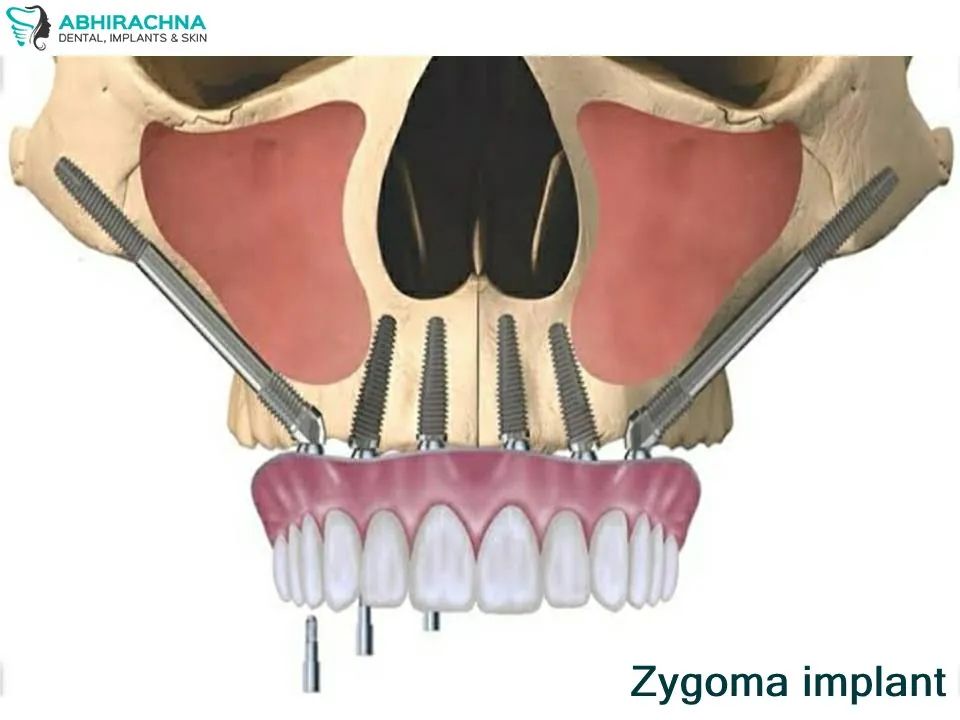
Zygoma Implant
A Zygoma Implant is a specialized dental implant designed for patients with severe bone loss in the upper jaw. It anchors directly into the cheekbone, providing a stable foundation for dental prosthetics.
Dental Implant Cost in South Delhi
The price of a dental implant has several parts: the implant post, the abutment and crown, and any extra steps such as a scan or bone graft. At Abhirachna, single-tooth implants start from ₹16,000. A zirconia crown on top is shown at the indicative Delhi market range, not Abhirachna's fee: ₹8,000 - 15,000. Your written estimate after examination is the figure that counts. For a fuller breakdown, read our guide to dental implant cost in Delhi.
What decides the price
Five things move the total. First, the brand and type of implant system. Second, the crown material, such as metal-ceramic or zirconia. Third, whether you need a bone graft (indicative Delhi market range, not Abhirachna's fee: ₹8,000 - 25,000), which is only done when your bone needs support. Fourth, whether a 3D scan is needed (indicative Delhi market range, not Abhirachna's fee: ₹2,000 - 4,000). Fifth, the complexity of your case, such as a tooth in the upper back jaw near the sinus. Ask for each item to be listed separately so you can compare quotes fairly.
Single tooth vs multiple implants
One missing tooth usually needs one implant and one crown. Several missing teeth do not always need one implant each. A short bridge can sit on two implants, and a full arch can be supported by a smaller number of implants. At Abhirachna, All-on-4 / full-arch implants start from ₹1,50,000, because full-arch work involves more implants, planning and a larger prosthesis. Your dentist will recommend the number based on bone, bite and budget.
Consultation and treatment-plan process
At the first visit, the dentist examines your mouth, reviews your medical history and takes X-rays. You then receive a written plan that lists the steps, the expected number of visits and the cost of each stage. You can take time to decide. If a scan or a gum or bone step is needed first, the plan says so up front. Fees, payment options and insurance paperwork are explained at the consultation.
Dental Implant Procedure Step by Step
Implant treatment follows a set order. Each stage must heal before the next begins, which is why the process takes months rather than days. The table shows the stages. Your own timeline may be shorter or longer depending on bone quality and whether other treatment is needed first. Your dentist will confirm the number of visits for your case.
| Stage | What happens | Typical timing |
| 1. Consultation and scan | Examination, X-rays, 3D scan if needed, written plan | 1 visit |
| 2. Implant placement | Titanium post placed in the jaw under local anaesthesia | 1 visit |
| 3. Healing | Bone grows around the post (osseointegration) | Several months |
| 4. Crown fitting | Abutment and crown attached, bite checked | 1-2 visits |
Consultation and 3D scan
The dentist checks gum health, the space for the tooth and the bite. A 3D scan (CBCT) shows the height and width of your bone and the position of nerves and sinuses, which helps plan where the implant can sit safely. Not every patient needs a 3D scan; this is the dentist's decision. Any gum disease or infection is treated first, because implants need healthy tissue around them.
Implant placement
Placement is done under local anaesthesia, so the area is numb. The dentist makes a small opening in the gum, prepares a space in the bone and places the titanium post. The gum is then closed or a healing cap is fitted. You may feel pressure but should not feel sharp pain during the procedure. Tell the dentist at once if you do. If you feel anxious, tell the dentist before treatment so they can plan how to keep you comfortable.
Healing period
The ADA explains that bone needs time to grow around the implant, a process that can take several months. During this time you may have a temporary tooth or a gap, depending on the position. Review visits check that the gum is healing and the implant is stable. Smoking can slow healing, so it is worth discussing a plan to cut down or stop.
Crown fitting
Once the implant is stable, an abutment is attached and an impression or digital scan is taken for the crown. The crown is then fitted and the bite adjusted. You will get care instructions for brushing and cleaning around the implant. Regular check-ups continue afterwards, because an implant still needs the same daily care as natural teeth.
Who Is a Good Candidate?
Most healthy adults with a fully grown jaw can be considered for an implant. The ADA notes that overall health matters more than age. Conditions such as uncontrolled diabetes and tobacco use can interfere with healing, so your dentist will review them. Active gum disease should be treated first. Some people are advised against implants, or asked to wait, for example during certain medical treatments. A consultation is the only way to know whether an implant suits you.
Bone loss and bone grafting
After a tooth is lost, the bone around it can shrink over time. If there is not enough bone to hold an implant, a bone graft can add volume before or during placement. Graft healing adds time to the plan and cost (indicative Delhi market range, not Abhirachna's fee: ₹8,000 - 25,000). Not everyone needs one. A 3D scan helps the dentist see whether your bone is enough as it is.
Implants vs Bridges vs Dentures
All three replace missing teeth, but they work differently.
| Option | How it is held | Natural teeth affected | Points to discuss |
| Implant | Post in the jaw bone | None needed | Surgery, healing months, higher upfront cost |
| Bridge | Crowns on neighbouring teeth | Neighbours are shaped down | Faster, no surgery, needs healthy neighbours |
| Denture | Rests on gums, may clip to teeth | None | Removable, lower cost, may need relining over time |
The right choice depends on your bone, neighbouring teeth, budget and habits. Read our comparison of implants vs bridges vs dentures for more detail.
Recovery and Aftercare
Expect some swelling, mild soreness and a little bleeding in the first days. Your dentist will advise on medicines. Eat soft, cool food at first and avoid chewing on the surgical side. Keep the area clean with gentle brushing and any rinse your dentist prescribes. Avoid smoking, because it can slow healing. Call the clinic if pain or swelling gets worse after the first few days, or if you see fever or pus. Our dental implant recovery timeline walks through the stages.
Dental Implant FAQs
How long does the whole implant process take?
Usually several months from scan to final crown, because the bone needs time to heal around the implant. Your plan will give an estimate.
Does an implant hurt?
Placement is done under local anaesthesia, so the area is numb. Some soreness afterwards is common and is managed with medicines your dentist advises.
Can I get an implant if I have diabetes?
Often yes, if blood sugar is well controlled, but it can affect healing. Share your reports at the first visit.
Do I need a bone graft?
Only if your bone is too thin or short to hold the implant. A scan helps decide.
How much does one implant cost?
At Abhirachna, single-tooth implants start at ₹16,000; the crown, and any scan or graft, are added to the written estimate you get after examination.
How do I look after an implant?
Brush twice a day, clean between teeth, and keep regular check-ups. Smoking raises the chance of problems.
Who will place my implant?
Dr. Abhishek Bhardwaj, BDS (Mysore), MDS (Chennai), MOMSRcps (Glasgow), FICD (USA), oral & maxillofacial surgeon and implantologist. See more dental implant FAQs.
Results and treatment time vary between patients. This page is for general information and does not replace a dental consultation.