Dental cavities are one of the most common oral health problems affecting both children and adults. If left untreated, a small cavity can gradually become deeper and may lead to sensitivity, pain, infection, or damage to the tooth. Cavity Treatment in South Extension at Abhirachna Dental focuses on early diagnosis, appropriate treatment, and preventive care to help patients maintain healthy teeth. The clinic provides general dentistry services, including fillings and other treatments for common dental problems.
The right treatment depends on the size and location of the cavity, the condition of the tooth, the patient’s age, and whether the decay has reached deeper structures. A professional dental examination helps determine the most suitable approach.
For more information, directly connect with us on WhatsApp, click fast
What Causes Dental Cavities?
A cavity develops when bacteria in the mouth interact with sugars and carbohydrates from food. Acids produced by this process have the potential to progressively erode tooth enamel.
Poor oral hygiene, frequent consumption of sugary foods and drinks, dry mouth, and irregular dental visits can increase the risk of tooth decay.
Children may be particularly vulnerable because they are still developing good brushing habits. Adults can also develop cavities, especially around old fillings, between teeth, or near the gum line.
Early attention is important because treating decay at an early stage is generally simpler than managing advanced tooth damage.
Why Early Cavity Treatment Matters
A cavity does not usually repair itself once a permanent hole has formed in the tooth.
Decay can continue to spread farther if left untreated. It may eventually reach the inner pulp of the tooth, where nerves and blood vessels are located.
This can cause significant pain and may require more extensive treatment, such as root canal therapy.
Abhirachna Dental provides root canal treatment for teeth with infected or damaged pulp. Its website explains that deep cavities can eventually affect the pulp and lead to symptoms such as sensitivity and difficulty chewing.
Therefore, timely Cavity Treatment in South Extension can help prevent a minor dental problem from becoming more complicated.
How Does Abhirachna Dental Diagnose Cavities?
The first step is a dental examination.
The dentist checks the teeth and gums for visible signs of decay, discoloration, sensitivity, damaged fillings, or other oral health concerns.
Depending on the suspected location and severity of the cavity, dental imaging may also be recommended.
A detailed evaluation helps the dentist understand how far the decay has progressed.
The treatment plan is then based on the condition of the individual tooth rather than using the same procedure for every patient.
Cavity Treatment for Children
Children need special attention when it comes to cavity prevention and treatment.
Their teeth are still developing, and some children may find dental procedures stressful. A calm and supportive approach can make dental visits more comfortable.
If a child develops a cavity, the dentist evaluates the affected tooth and recommends treatment according to the extent of decay and the child’s dental development.
Parents should not wait for their child to complain of pain. Early cavities may not cause noticeable symptoms.
Frequent dental examinations might help find issues before they become unpleasant.
Preventing Cavities in Children
An essential component of dental care for children is prevention.
Parents can encourage children to:
- Brush their teeth twice a day.
Use fluoride toothpaste as recommended by the dentist.
Limit frequent sugary snacks and drinks.
Drink water regularly.
Avoid sleeping with sugary drinks or milk bottles when advised.
Visit the dentist regularly.
Develop proper brushing and flossing habits.
Abhirachna Dental also offers pit and fissure sealants, which can provide an additional preventive measure for teeth with grooves where food and bacteria may collect. The clinic states that sealants can be used for children, teenagers, and selected adults at risk of cavities.
Cavity Treatment for Adults
Adults can develop cavities for many reasons.
Existing dental restorations may wear over time. Gum recession can expose areas of the tooth that are more vulnerable to decay. Poor oral hygiene, frequent snacking, dry mouth, and high sugar intake can also contribute.
The dentist first determines the extent of the decay.
A filling might be adequate for minor cavities. When decay has progressed deeper, additional treatment may be necessary.
Regular dental examinations can help adults detect cavities before they cause significant discomfort.
Tooth-Coloured Fillings for Cavities
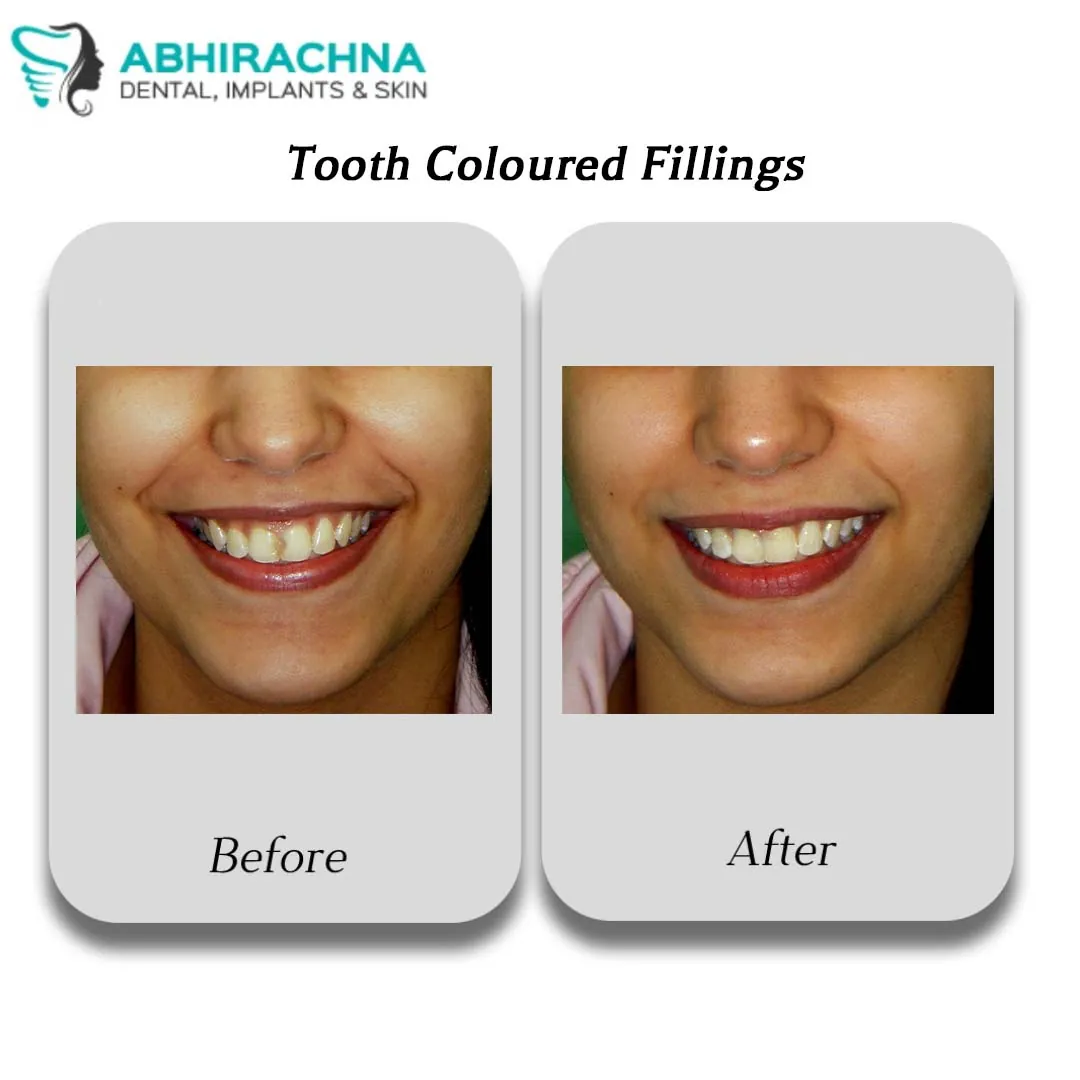
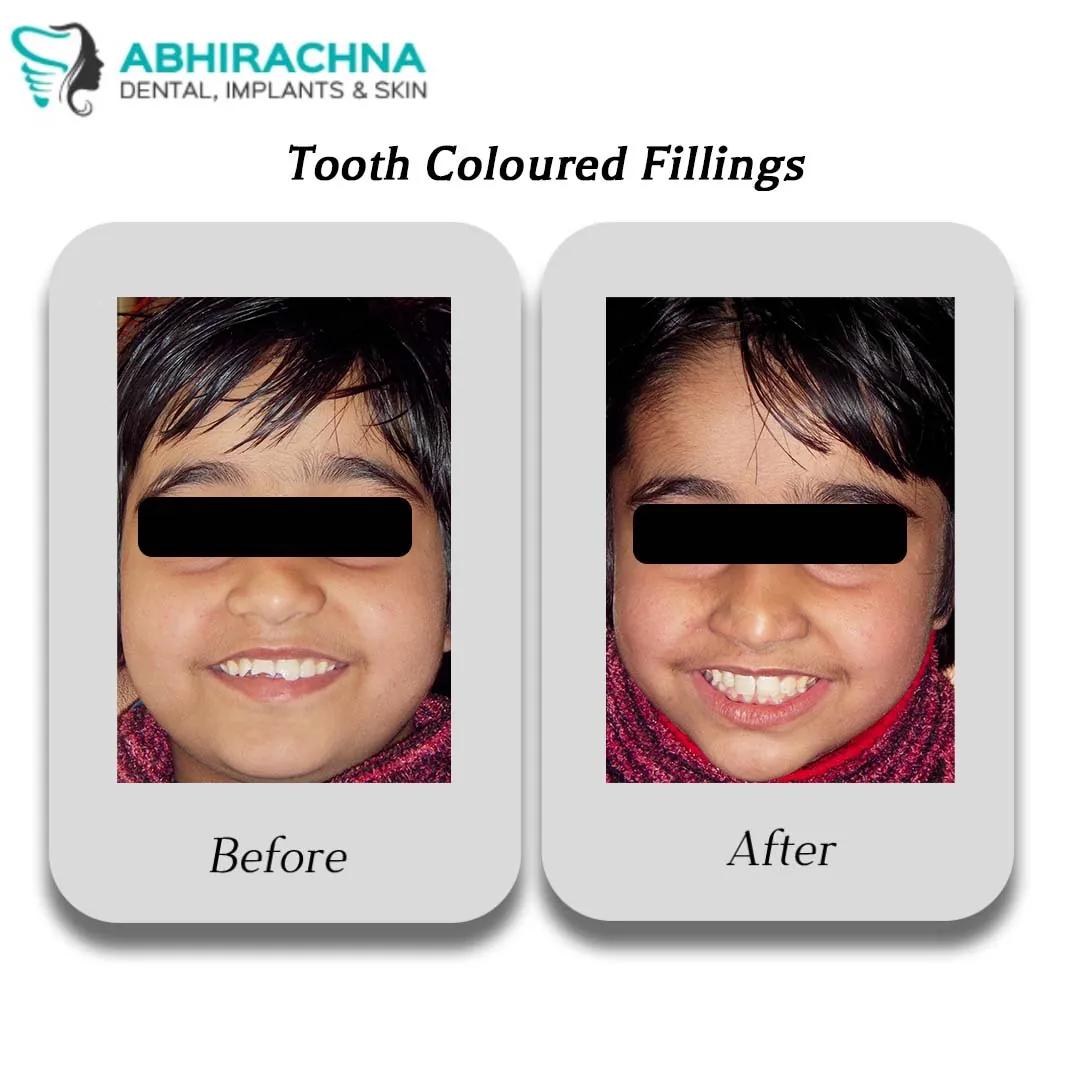
Tooth-coloured fillings are commonly used to restore decayed or damaged teeth.
Abhirachna Dental offers composite tooth-coloured fillings. Its website explains that these fillings can be matched to the natural colour of the teeth, providing a more discreet appearance.
During treatment, the dentist removes the decayed portion of the tooth and prepares the area for the filling material.
The composite material is then placed and hardened using a special light.
The tooth is shaped and polished so that the restoration fits comfortably with the surrounding teeth.
This approach can restore both the function and appearance of a tooth affected by decay.
When Is Root Canal Therapy Required for a Cavity?
Not every cavity requires a root canal.
If decay is deep enough to affect the pulp inside the tooth, however, root canal treatment may be recommended.
Possible signs of deeper tooth involvement can include persistent toothache, sensitivity, pain while chewing, or other symptoms.
The dentist evaluates the tooth before deciding whether root canal treatment is necessary.
Abhirachna Dental states that root canal treatment involves removing infected or damaged pulp, cleaning the inside of the tooth, and sealing it to help preserve the natural tooth.
The likelihood of decay reaching this level may be decreased by early cavity treatment in South Extension.
Managing Dental Sensitivity
Sensitivity can sometimes occur with tooth decay.
Patients may notice discomfort when consuming hot, cold, sweet, or acidic foods and drinks.
However, sensitivity does not always mean that a cavity is present. It can have other causes, including enamel wear, gum recession, or other dental conditions.
Thru examination, a dentist can identify the most likely cause.
If decay is responsible, treating the underlying cavity can help address the problem.
How Abhirachna Dental Supports Preventive Care
Cavity management should not stopafter a filling.Preventive dental care isimportant for reducing the chance of new cavities developing.
Abhirachna Dental‘s general dentistry services include routine check-ups, cleanings, fillings, and other common dental procedures.
Regular visits allow dentists to monitor existing restorations, identify early decay, and provide oral hygiene guidance.
Patients can also discuss dietary habits, brushing techniques, flossing, and other preventive measures.
Why Personalized Cavity Treatment Is Important
Every cavity is different.
A small cavity on the chewing surface may require a different approach from decay between two teeth. Similarly, treatment for a child’s primary tooth may differ from treatment for an adult permanent tooth.
The patient’s overall dental health also matters.
The dentist considers the affected tooth, depth of decay, symptoms, age, oral hygiene, and other factors before recommending treatment.
This personalized approach helps ensure that patients receive treatment appropriate for their specific dental needs.
What Happens During a Dental Filling?
A dental filling is generally performed in several steps.
First, the dentist examines and prepares the affected tooth. Local anesthesia may be used when required to improve patient comfort.
The decayed portion is carefully removed.
The tooth is then cleaned and prepared for the filling material.
With a composite filling, the material is placed into the prepared area and hardened using a curing light.
The dentist then shapes and polishes the restoration.
The bite may also be checked to ensure that the restored tooth feels comfortable during chewing.
How Can You Prevent Cavities After Treatment?
Treating a cavity does not make the tooth immune to future decay.
Good daily habits remain important.
Brush twice daily and clean between the teeth regularly. Limit frequent sugary snacks and drinks, particularly between meals.
Regular dental check-ups are also important.
Patients should follow any specific oral care recommendations provided by their dentist.
Children should receive guidance and supervision while developing independent brushing habits.
Signs You May Need Cavity Treatment
You should consider visiting a dentist if you notice:
- Tooth sensitivity
Persistent toothache
Pain while chewing
Visible dark or white spots on a tooth
Food frequently getting stuck between teeth
A chipped or damaged area
Bad breath that persists despite good oral hygiene
Swelling around a tooth
However, cavities can also exist without noticeable symptoms.
This is why routine dental examinations are important even when your teeth do not hurt.
Why Choose Abhirachna Dental for Cavity Care?
Abhirachna Dental Clinic was established in 2010 and provides a range of dental services, including general dentistry, cosmetic dentistry, dental implants, oral surgery, and maxillofacial surgery. The clinic states that it focuses on comfortable dental care and uses modern materials and technology.
Its general dentistry services include tooth-coloured fillings and root canal treatment, allowing patients to receive different levels of dental care according to their needs.
For patients looking for Cavity Treatment in South Extension, access to preventive, restorative, and general dental services can make it easier to address cavities at different stages.
Conclusion
Cavities can affect people of all ages, but timely dental care can help prevent decay from becoming more serious. Children need early prevention and regular dental monitoring, while adults should pay attention to sensitivity, tooth pain, damaged restorations, and other changes in their oral health.
At Abhirachna Dental, Cavity Treatment in South Extension may involve examination, preventive advice, tooth-coloured fillings, or further treatment when decay has progressed. The appropriate treatment depends on the condition of the affected tooth and the patient’s individual needs.
Good oral hygiene, a balanced diet, regular dental visits, and early treatment are key to maintaining healthy teeth. If you or your child has symptoms of tooth decay, a dental examination can help identify the problem and determine the right treatment before it becomes more complicated.
Our team is dedicated to helping you achieve your aesthetic goals with the utmost care and professionalism. Visit our clinic today and take the first step towards a more youthful and radiant you!