A swelling, unusual patch, persistent sore, or lump inside the mouth can understandably cause concern. While many oral changes are caused by common dental or inflammatory conditions, some may need further evaluation to rule out a tumor. Understanding the diagnostic process can make the experience less stressful and help you seek appropriate care at the right time.
At Abhirachna Dental Clinic, patients can discuss persistent or unusual oral changes with a dental professional and understand whether further examination or testing may be needed. If a concerning growth is identified, timely evaluation is an important part of planning appropriate Tumor Treatment in South Extension.
For more information, directly connect with us on WhatsApp, click fast
What Is an Oral or Dental Tumor?
An oral tumor is an abnormal growth that develops in or around the mouth. It may involve the gums, tongue, inner cheeks, jaw, palate, lips, or other oral tissues. Tumors can be benign, meaning they are not cancerous, or malignant, meaning they are cancerous.
Not every lump or swelling in the mouth is a tumor. Dental infections, cysts, irritation, inflammation, and other conditions can produce similar symptoms. This is why professional assessment is important rather than trying to identify the cause based only on appearance.
For patients looking for Tumor Treatment in South Extension, diagnosis is the first step toward understanding what a particular oral growth actually represents.
What Happens During an Oral Tumor Examination?
Diagnosis usually begins with a detailed dental and oral examination. The dentist may ask about the change, when it first appeared, whether it has grown, and whether it causes pain or other symptoms.
Visual Examination
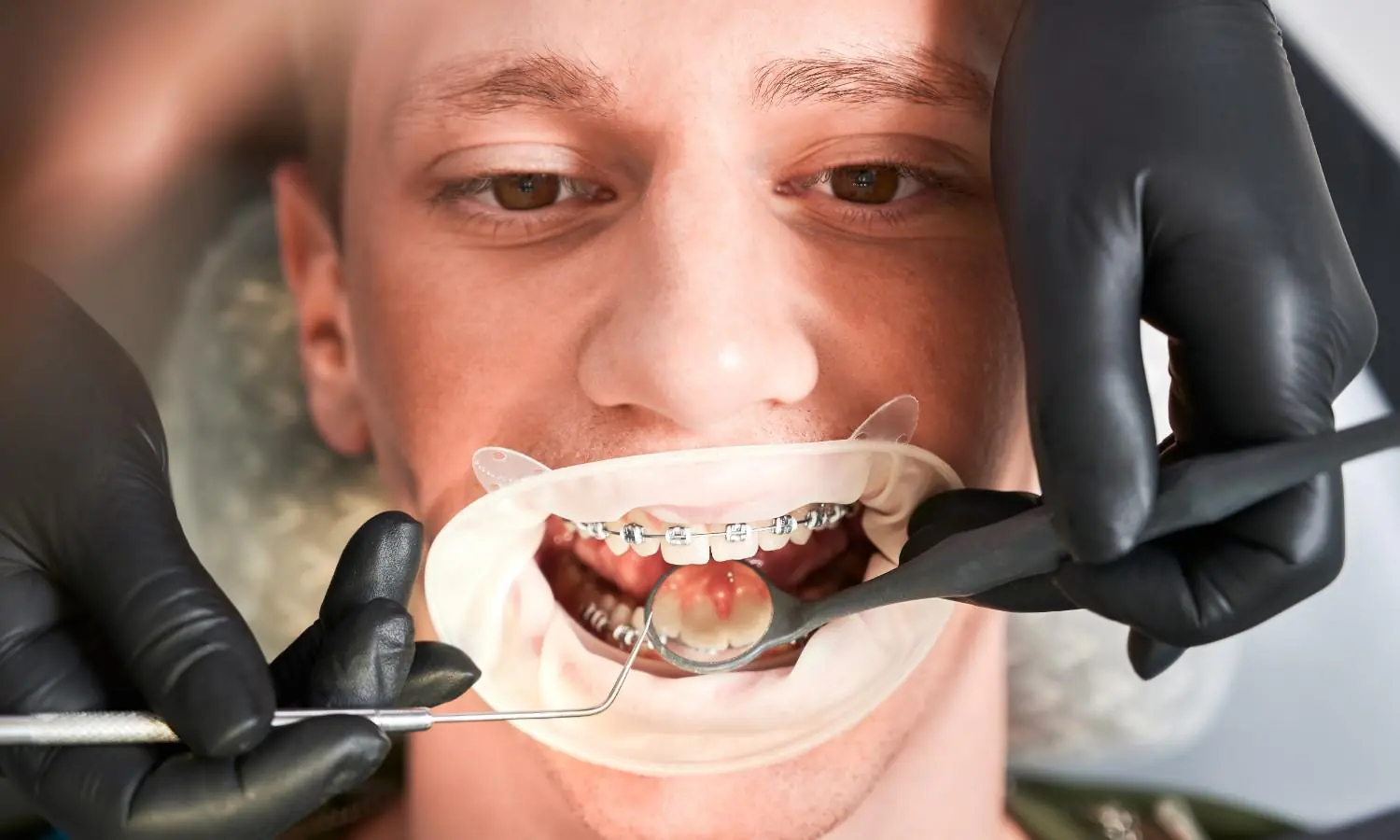
The dentist carefully examines the mouth for unusual lumps, sores, patches, swelling, discoloration, or changes in the surrounding tissues. The gums, tongue, cheeks, palate, and other accessible areas may be checked.
A dentist may also examine the jaw and face for swelling or other noticeable changes.
Medical and Dental History
Your dental professional may ask about previous dental problems, treatments, injuries, habits, medications, and other relevant health information. Details about how long a lesion has been present can also help determine what should happen next.
At Abhirachna Dental Clinic, discussing these details openly can help the dental team decide whether observation, additional testing, or referral is appropriate.
When Are Imaging Tests Needed?
A physical examination may not provide enough information, particularly when a growth is located deeper in the tissues or appears to involve the jaw. In such cases, imaging may be recommended.
Depending on the suspected problem, a dentist or specialist may use dental X-rays or other imaging methods to examine the teeth, jawbone, and surrounding structures.
Imaging can help identify changes that cannot be seen during a routine examination. It may also provide useful information about the size, location, and extent of an abnormal area.
However, imaging alone does not always establish whether a tumor is benign or malignant. Additional testing may therefore be necessary.
Why Is a Biopsy Important?
When an oral lesion appears suspicious or does not resolve as expected, a biopsy may be recommended. During a biopsy, a small tissue sample is collected and sent to a laboratory for examination.
What Does a Biopsy Show?
A pathologist examines the tissue under a microscope. The findings can help determine the nature of the lesion and whether abnormal or cancerous cells are present.
A biopsy is often an important part of confirming an oral cancer diagnosis. It can also help distinguish a tumor from other conditions that may look similar clinically.
The type and extent of biopsy depend on the location and characteristics of the lesion. Your dental professional can explain what is recommended in your particular situation.
Are All Oral Growths Cancerous?
No. An oral growth does not automatically mean cancer.
Some tumors and growths are benign and may simply require monitoring or treatment based on their size, location, symptoms, and effect on nearby structures. Other lesions may require more detailed investigation because of their appearance or behavior.
This is one reason self-diagnosis can be misleading. A persistent mouth lesion should be evaluated by an appropriate dental or medical professional rather than assumed to be harmless or malignant.
What Symptoms Should Not Be Ignored?
Certain changes deserve professional attention, particularly when they persist or worsen. These may include:
- A lump or swelling inside the mouth
- A sore that does not heal
- Unusual red or white patches
- Persistent pain or tenderness
- Unexplained bleeding
- Difficulty chewing or swallowing
- Changes in the way teeth or dentures fit
- Unusual movement or loosening of a tooth
- Persistent numbness or altered sensation
These symptoms can have many possible causes and do not necessarily indicate a tumor. However, an examination can help determine whether further investigation is needed.
Why Early Diagnosis Matters
Early assessment does not mean that every suspicious lesion will turn out to be cancer. Instead, it gives patients a clearer understanding of what is happening and helps avoid unnecessary delays when further treatment is required.
Once a diagnosis has been established, the appropriate treatment plan can be discussed. Depending on the condition, treatment may involve dental care, surgical management, specialist referral, or other therapies.
For anyone considering Tumor Treatment in South Extension, getting a proper diagnosis before deciding on treatment is essential. Treatment should be based on the nature and extent of the diagnosed condition rather than assumptions about the lesion.
How Abhirachna Dental Clinic Can Help
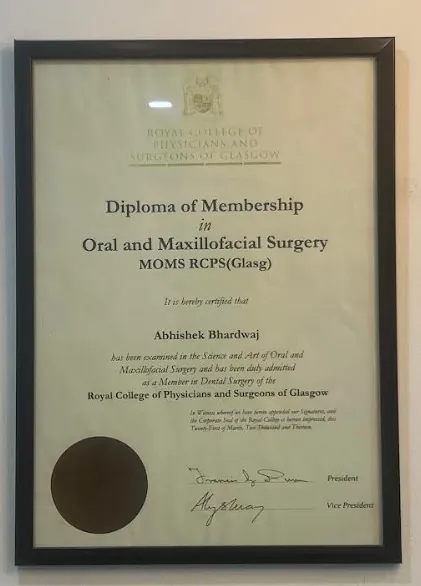
At Abhirachna Dental Clinic, the focus is on evaluating oral and dental concerns carefully and helping patients understand the next steps. If an unusual growth or persistent oral lesion requires additional investigation, the dental team can explain why further testing may be recommended.
The diagnostic process may include an oral examination, relevant dental imaging, and biopsy when clinically appropriate. Depending on the findings, patients may also need evaluation by another dental or medical specialist.
If you are searching for Tumor Treatment in South Extension, remember that diagnosis and treatment are closely connected. A clear diagnosis helps guide the next stage of care.
Conclusion
A dental or oral tumor cannot always be identified through appearance alone. Diagnosis may involve a clinical examination, review of dental and medical history, imaging, and, when necessary, a biopsy. These steps help distinguish tumors from infections, cysts, inflammation, and other oral conditions.
At Abhirachna Dental Clinic, patients with persistent or unusual changes in the mouth can seek professional evaluation and understand whether further investigation is necessary. If you notice a lump, unexplained swelling, persistent sore, or other unusual oral change, do not ignore it.
Seeking timely dental advice is a practical first step toward understanding the problem and, when required, accessing appropriate Tumor Treatment in South Extension.
Our team is dedicated to helping you achieve your aesthetic goals with the utmost care and professionalism. Visit our clinic today and take the first step towards a more youthful and radiant you!